
Services
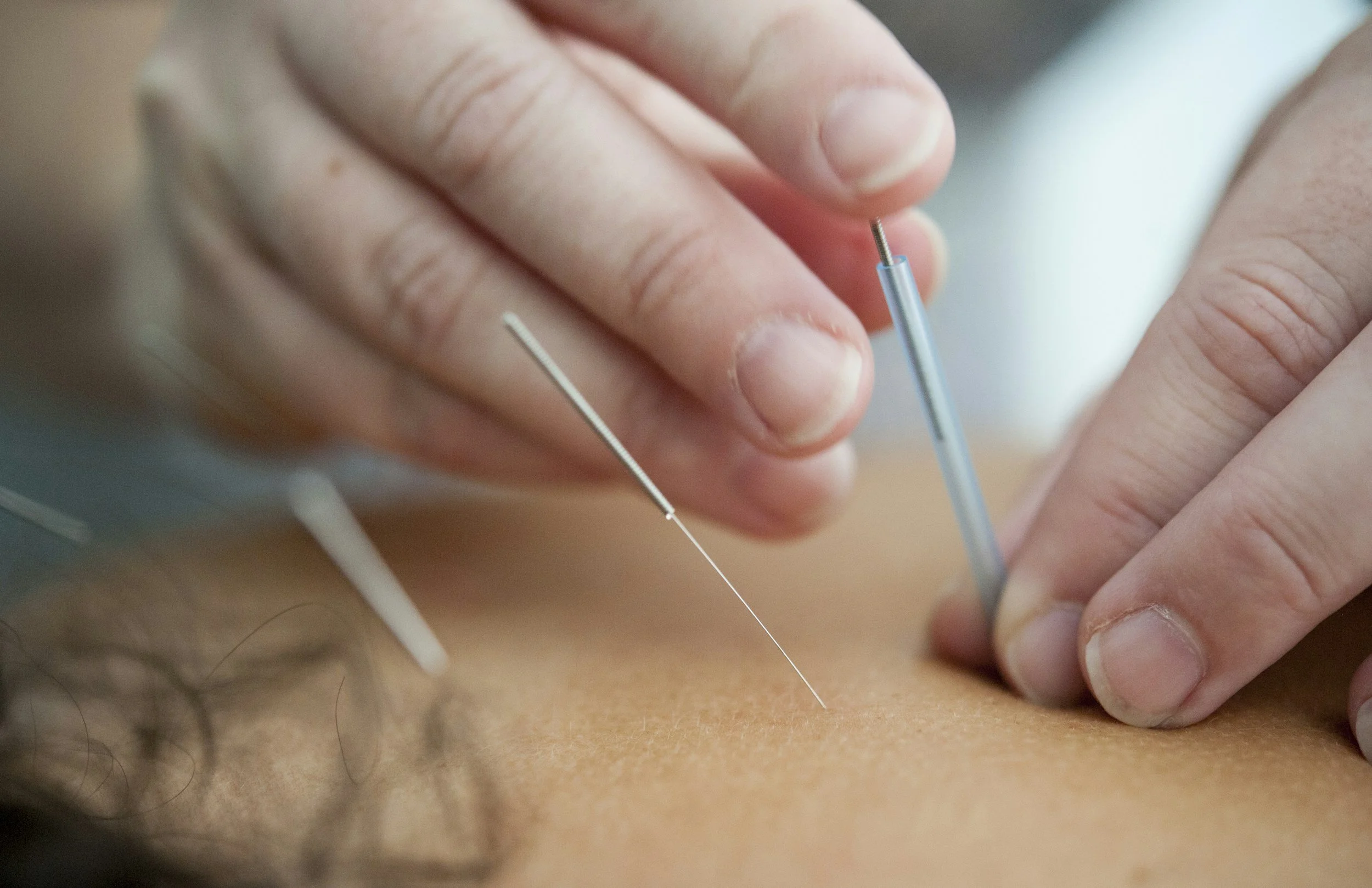
Acupuncture
Acupuncture is a gentle, time-tested therapy that supports the body’s ability to regulate and heal itself. Using fine, sterile needles placed at specific points, acupuncture works with the nervous, circulatory, and endocrine systems to reduce inflammation, improve organ function, and calm the stress response.
At the same time, it’s a deeply intuitive practice—one that views the body as an interconnected whole. In this system, symptoms are seen not in isolation, but as signals of underlying imbalance. By restoring the natural flow of energy (qi) and supporting internal harmony, acupuncture helps bring you back to a state of greater ease, resilience, and alignment—physically, emotionally, and energetically.

Cupping
Cupping uses suction to create space—space for blood to flow, fascia to release, and the body to breathe a little easier. By drawing fresh circulation into tight or stagnant areas, it helps clear tension, support tissue repair, and promote detoxification.
From a physiological standpoint, cupping increases blood flow, reduces inflammation, and helps regulate the autonomic nervous system. It’s especially effective for musculoskeletal pain, respiratory support, and that feeling of being “stuck” in your body. Most people describe it as deeply relaxing—even if it leaves a few mysterious circles behind.

Herbal Medicine
Herbal medicine offers a natural, time-tested way to support healing from the inside out. Drawing on centuries of clinical use in traditional Chinese and Japanese medicine, I incorporate carefully selected classical formulas that address a wide range of concerns—from digestion and sleep to stress, hormonal balance, and immune function.
These formulas are deeply effective and thoughtfully composed, designed to restore internal balance by supporting the body’s own rhythms and regulatory systems. Used on their own or in conjunction with acupuncture, herbal medicine provides a steady, daily layer of support to help you feel more aligned and resilient over time.
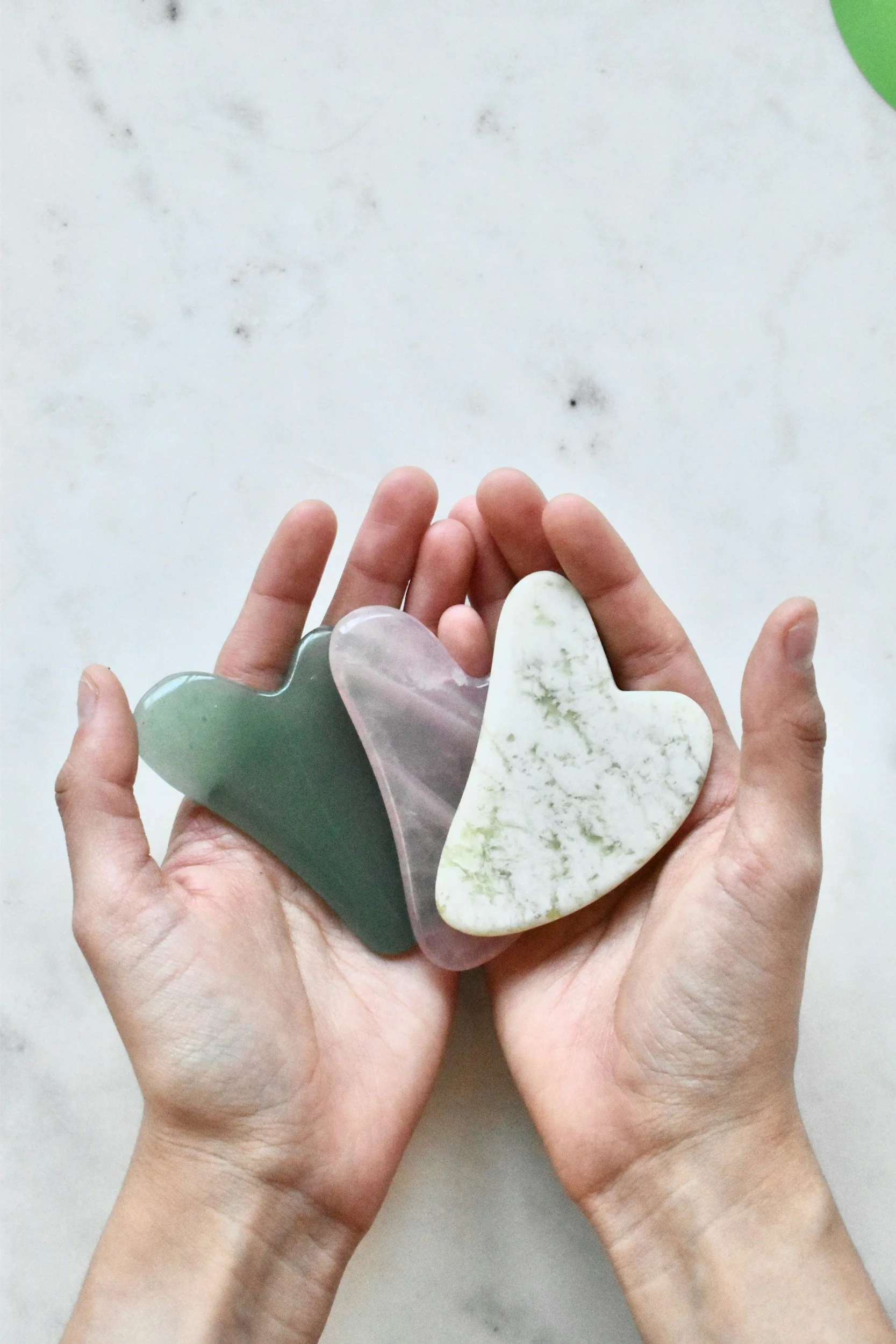
Gua Sha
Gua Sha is a therapeutic technique that uses gentle, rhythmic strokes with a smooth-edged tool to encourage circulation and release stagnation in the muscles and tissues. It’s a simple yet powerful way to move what’s stuck—physically and energetically.
While Gua Sha originates from classical East Asian medicine, its benefits are supported by modern understanding of circulation, inflammation, and lymphatic flow.It increases microcirculation, supports lymphatic drainage, and reduces inflammation. It’s especially helpful for tension, pain, immune support, and calming the nervous system. In some treatments, it may also be used on the face to gently tone and refresh the skin—no needles necessary.

Moxibustion (aka Moxa)
Another common adjunct to acupuncture. It is technique that uses dried mugwort (a warming herb) burned near specific acupuncture points to gently stimulate healing. Benefits of moxa include:
Boosting immune function
Improving circulation
Relieving pain and muscle tension
Increasing overall energy—especially for those who tend to feel cold or fatigued
Supporting fertility by warming the uterus and enhancing reproductive function
Encouraging breech babies to turn (a time-tested technique with modern research to
back it up)
Moxa is a cozy, calming addition to many treatments and can be applied in many forms, including smokeless options, based on your comfort.
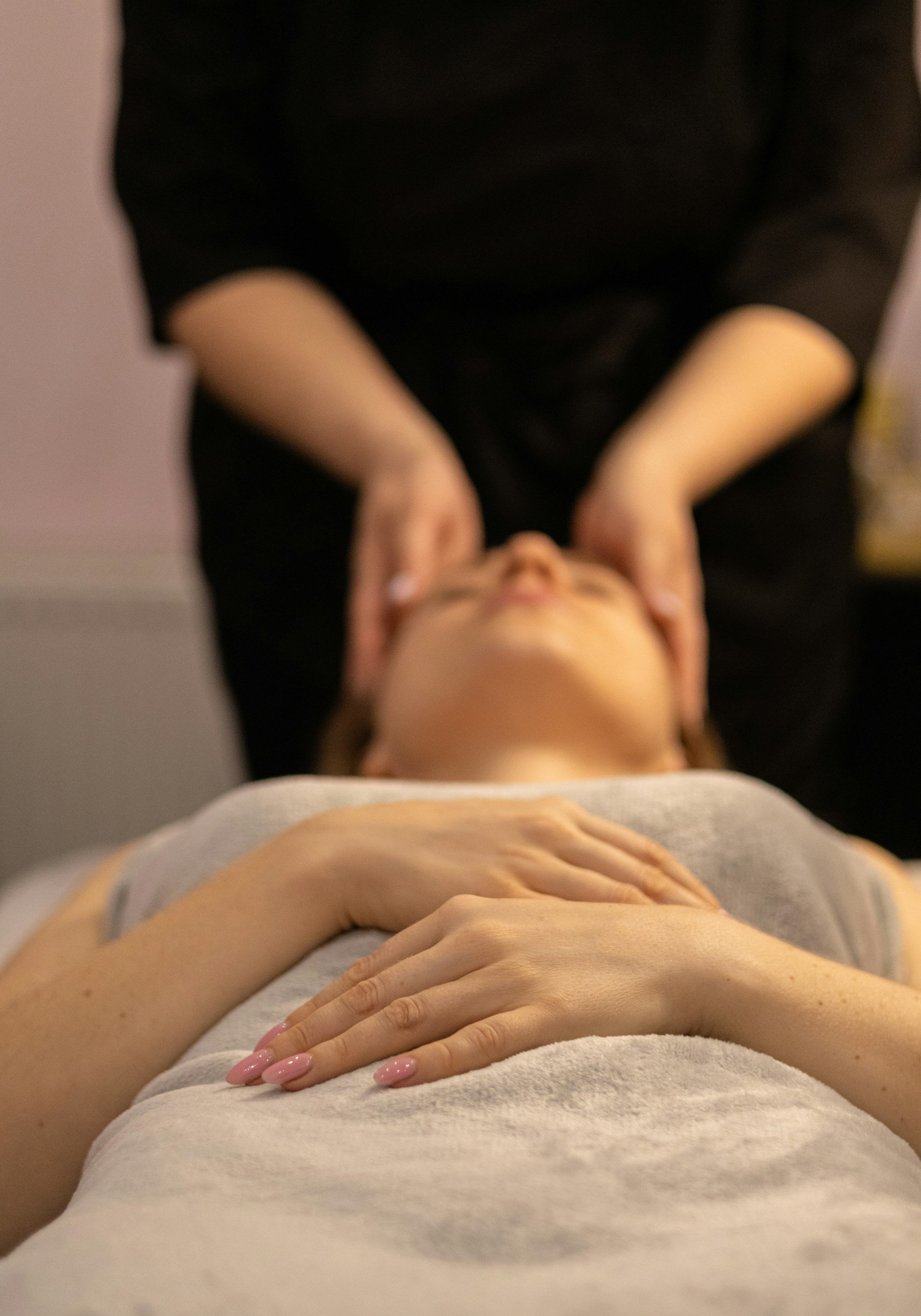
Craniosacral Therapy
Craniosacral Therapy (CST) is a gentle, hands-on method developed by osteopathic physician John E. Upledger. It works with the craniosacral system, which includes the membranes, cerebrospinal fluid, and connective tissues that surround and support the brain and spinal cord. The goal is to help release subtle restrictions and support healthy nervous system function.
CST aims to improve the movement of cerebrospinal fluid, which nourishes the central nervous system, cushions the brain and spine, and helps transport waste products for clearance. By easing tension in the fascia and membranes, CST can influence communication within the nervous system, support circulation, and help the body maintain balanced physiological function.
CST is gentle enough for children and adults alike.
Some of the areas this work commonly supports include:
• Stress and nervous system imbalance
• Headaches and TMJ
• Neck, back, or shoulder tension
• Chronic pain or fatigue
• Post-concussion recovery
• Post-traumatic stress
• Sleep difficulty
My approach is informed by study with The Upledger Institute and mentorship with advanced CST practitioner Tami Hindin, whose guidance helped deepen my sensitivity to the body’s subtle rhythms and responses. CST sessions are gentle, deeply restorative, and appropriate as stand-alone care or alongside acupuncture.
Fees & Insurance
FEES
New Patient Visit - $155
Follow-Up Visit - $120
Craniosacral Therapy (60 mins) - $150
Herbal Consultation - $110
Herbal formulas are an additional cost
PACKAGES
5 treatments -- $575
10 treatments -- $1120
Packages apply to acupuncture sessions only.
INSURANCE
I am an out-of-network provider and do not bill insurance directly.
If your plan offers acupuncture reimbursement, I’m happy to provide a detailed receipt (superbill) for you to submit.